
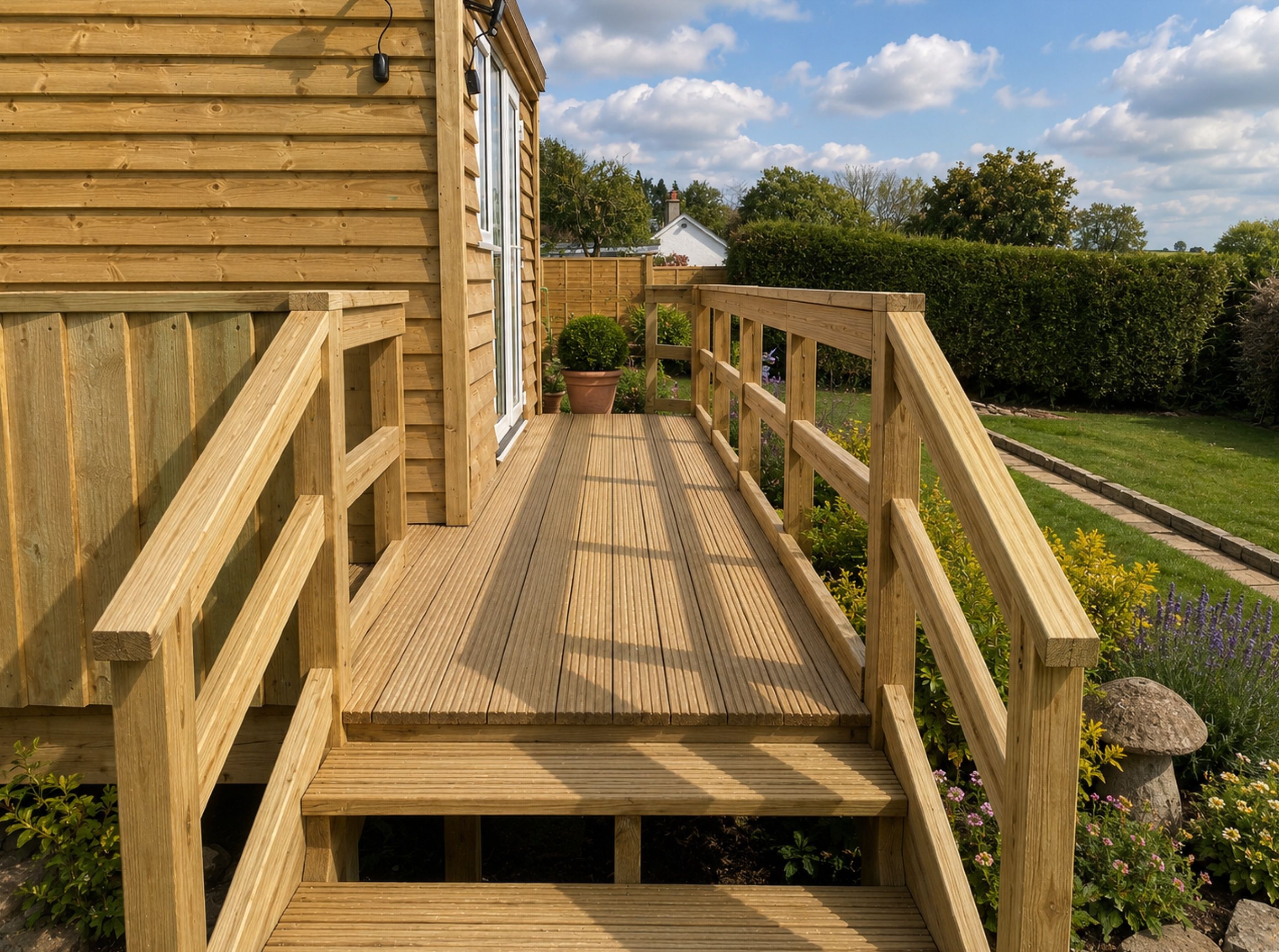
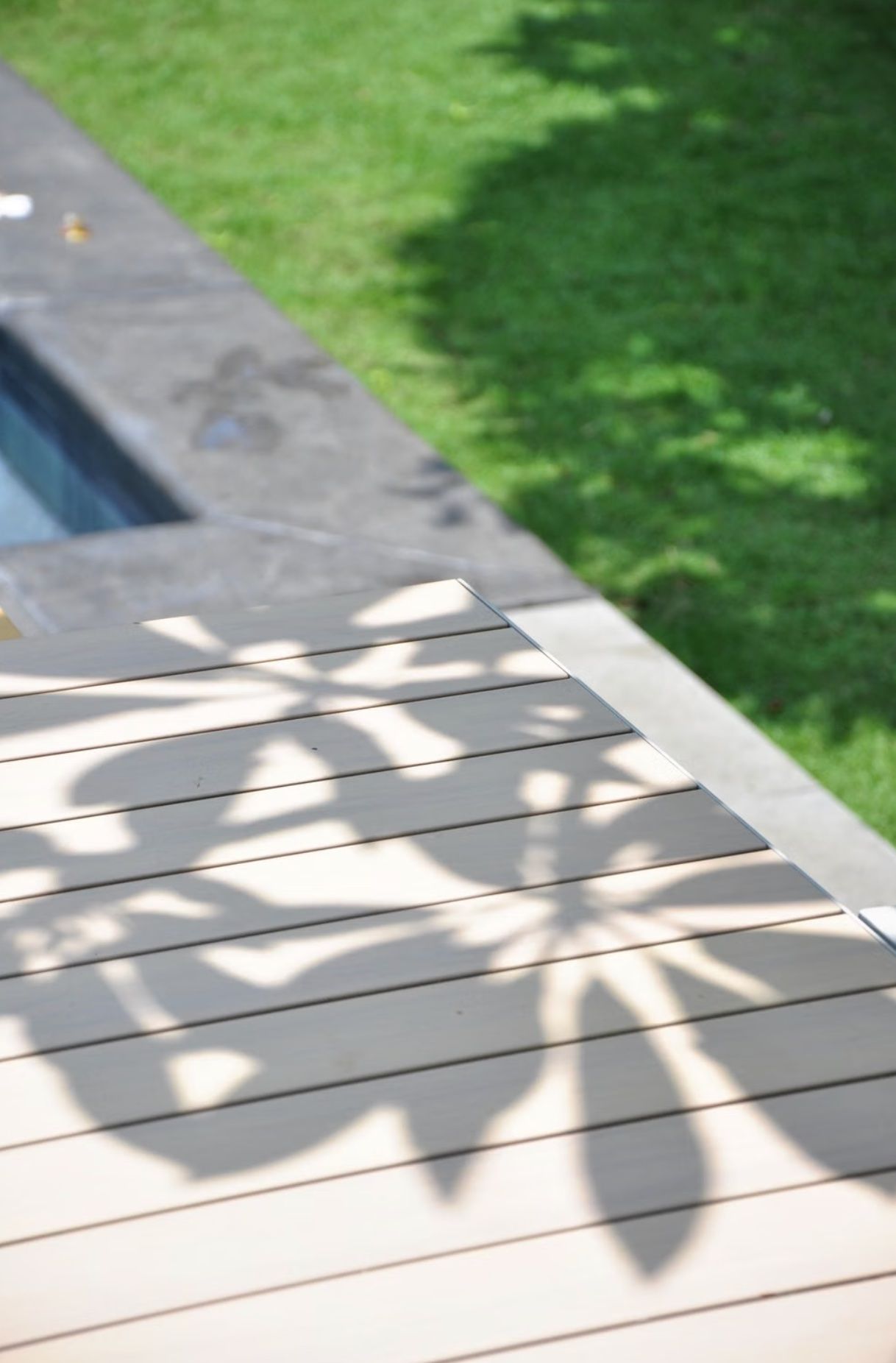
Composite Decking vs Traditional Timber: Which Is Right for Your Devon or Cornwall Garden?
By Kevin Hampton, Colt Carpentry Devon
A well-designed deck gives you somewhere to sit with a morning coffee, enjoy a meal outside or make better use of an awkward garden. But before choosing colours and planning the furniture, there is one important decision: composite decking or traditional timber decking?
My starting point is how you want to use the space, the look you enjoy and the amount of maintenance you are happy to take on. Both materials can create an attractive outdoor area. The right choice depends on your garden and your priorities.
At Colt Carpentry Devon, I believe a good decking project starts with an honest conversation. If you are planning garden decking in Devon or Cornwall, here is what to consider before making your decision.
Start with your garden, not just a sample board
A board that looks good in a showroom is only part of the picture. Think about where your decking will sit. Is it a sunny terrace, a shaded corner beneath trees or an exposed space near the coast? Will it connect to your kitchen, provide seating beside a garden room or help you use sloping ground?
I would also consider the route through the garden, the position of steps and whether handrails are needed. These details influence how useful the finished space feels every day.
Before comparing materials, decide what matters most: natural character, less routine upkeep, the initial budget or a particular colour and finish.
What is composite decking?
Many composite decking boards combine wood fibres with plastic. Capped products have an additional outer layer designed to help protect the surface. Other alternatives use different materials, including wood-free mineral and resin systems.
This means “composite” covers a range of products. Their performance, fixing requirements and warranties are not interchangeable.
Composite can suit homeowners who want a coordinated finish without regularly refinishing the boards. It is available in different colours and textures, making it an option for both contemporary gardens and more traditional outdoor spaces.
However, compare the actual product before buying. Look at its care instructions, installation guide and warranty terms, alongside the sample.
Why choose traditional timber decking?
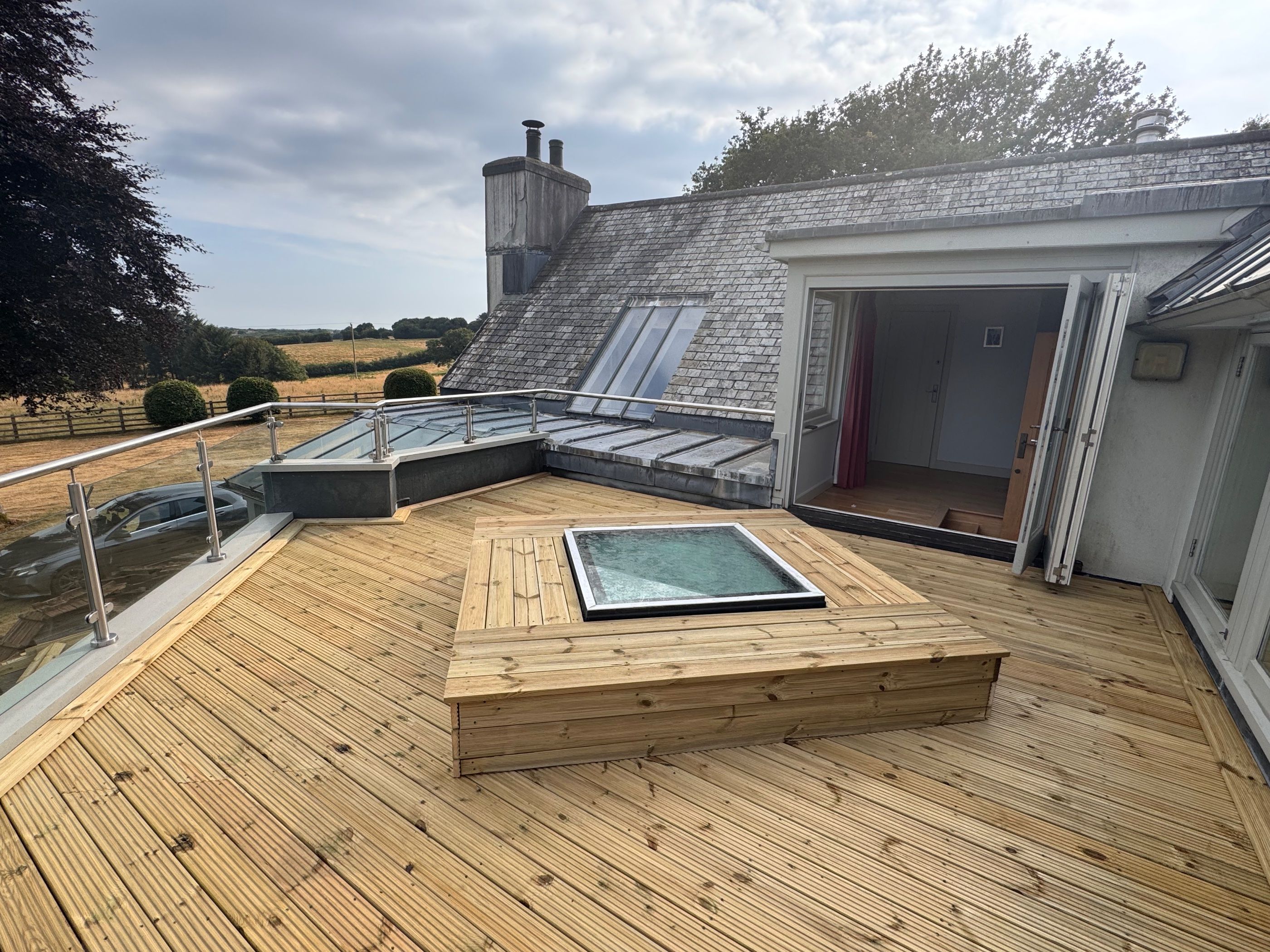
Real wood brings individual grain, colour variation and a natural feel to a garden. It can sit comfortably alongside timber fencing, planted borders and bespoke garden joinery.
Pressure-treated softwood is often a practical starting point when the budget is important. Suitable hardwoods and modified timbers offer other choices, although their cost and performance vary by species and specification.
Timber can also offer flexibility when you want to alter the finish later, using a compatible coating. If you prefer a naturally weathered appearance, ask which timber and care routine suit that aim.
Choose wood specified for its intended outdoor use. The word “hardwood” alone does not tell you how durable a particular board will be.
Composite decking vs wood: a quick comparison
Consideration
Composite decking
Traditional timber decking
Appearance
Manufactured colours and textures, including wood-effect finishes
Natural grain and individual board character
Initial budget
Often higher than basic treated softwood; ranges vary
Treated softwood often costs less; premium timber can cost considerably more
Routine care
Cleaning, with product-specific care instructions
Cleaning, inspection and periodic coating care if a finish is used
Changing the finish
Options may be limited; check before painting or sanding
Compatible oils or stains can offer more flexibility
Wet conditions
Check the chosen product’s slip performance and keep it clean
Keep clean and consider suitable slip-resistant options where needed
Long-term performance
Depends on the product, installation and supporting structure
Depends on timber specification, installation and supporting structure
Which costs more to install?
For many projects, treated softwood decking has a lower starting cost than composite. That does not mean every timber deck is cheaper: premium hardwood and detailed carpentry can change the comparison considerably.
The useful figure is the price for the complete project. Boards are only one part of that cost. Ground preparation, foundations, posts, joists, fixings, edging, steps and handrails all need to be included. Access and the removal of existing decking can also affect the work involved.
When comparing decking quotes, ask whether both include the same area, supporting structure and finishing details. A low board price does not necessarily produce the lowest completed cost.
Composite may reduce spending on refinishing over time, but savings depend on the products and care involved. I would compare the full installation and likely upkeep before deciding which offers better value for your home.
How much maintenance will each need?
Composite decking is usually chosen partly for its lower maintenance requirements. Many modern products do not need routine staining, painting or sealing. They still need cleaning: leaves, mud and food spills should not be left to accumulate. Follow the manufacturer’s instructions for cleaners and pressure washing.
Timber decking also needs regular cleaning and inspection. Where an oil, stain or water-repellent finish is used, it will need refreshing as appropriate to the product and conditions. There is no single treatment schedule that suits every wooden deck.
With either material, keeping drainage gaps clear and checking for loose fixings or damage is a sensible part of looking after the finished installation.
What about wet weather and summer heat?
For gardens across Devon and Cornwall, wet-weather performance deserves careful attention. No decking should be assumed to be completely slip-proof. Dirt, algae and fallen leaves can affect grip, so cleaning matters whatever the board material.
For shaded areas, steps or frequently used routes, ask about the specific board’s tested slip resistance and suitable surface options. Grooves or an embossed texture alone are not proof of good grip.
Sun exposure matters too. Composite boards can become hot in direct sunshine, particularly darker finishes. Timber and other outdoor surfaces can also heat up. Consider colour, shade and how children or pets will use the space when making your choice.
How long will the decking last?
I would be cautious about any comparison that gives every timber deck one lifespan and every composite deck another. Material quality, the site, installation and care all make a difference.
A product warranty is useful, but it is not a promise that every part of the deck will last for the same period. Check what it covers, what is excluded and which installation conditions apply.
The supporting frame deserves particular attention. New boards cannot correct decayed joists or inadequate supports. If you are replacing old garden decking, the condition of the structure underneath needs assessing before deciding what can be retained.
Why the installation matters as much as the boards
The finish you see relies on the work beneath it. Support spacing, drainage, ventilation and appropriate fixings all contribute to a successful deck.
Composite boards must be fitted to the selected manufacturer’s instructions, including the required gaps for movement. Do not assume that joist spacing suitable for an old timber deck will suit new composite boards.
My approach is to think about the complete space: how the boards meet the edges, how the steps connect to the garden and how the handrails fit the design. Careful carpentry brings those details together.
Which is the more sustainable choice?
Neither material automatically wins on sustainability. For timber, look for responsibly sourced products, including appropriate FSC or PEFC certification. For composite, check the manufacturer’s evidence on recycled content and what happens to the boards at the end of their life.
Also consider durability, repair options and whether sound existing components can be retained. Choosing suitable materials and building the deck properly helps avoid unnecessary replacement.
My advice: choose the deck that suits your priorities
If natural grain and the feel of real wood are important to you, timber is well worth considering. If you prefer a consistent finish with less routine refinishing, a suitable composite product may be the better fit.
I would encourage you to look at samples outdoors, compare complete quotes and be realistic about the care you are happy to provide. A thoughtfully planned timber deck can be an excellent choice, just as a well-specified composite deck can be.
Frequently asked questions
Is composite decking maintenance-free?
No. It generally needs less refinishing than timber, but regular cleaning and the manufacturer’s care guidance still matter.
Can composite boards be fitted onto an existing timber frame?
Sometimes, but only after checking the frame’s condition, strength, support spacing and compatibility with the chosen decking system. Reusing it should never be assumed from the condition of the surface alone.
Is timber decking suitable for a Devon or Cornwall garden?
Yes, when the timber is properly specified, installed and cared for. The garden’s exposure, shade and drainage should inform the design.
What information helps with a decking quote?
Approximate dimensions, photographs, your location and an idea of the finish you want are a helpful starting point. Mention existing decking, slopes, restricted access, steps and handrails so the discussion covers the whole project.
Discuss your decking project with Colt Carpentry Devon
Whether you are replacing tired decking or planning a new outdoor seating area, I can help you consider the layout, materials and carpentry details that will suit your garden.
Based near Bere Alston, Colt Carpentry Devon welcomes decking enquiries across Devon and Cornwall, including Tavistock, Plymouth, Okehampton and Exeter. If you are in Newton Abbot, Torquay, Dartmouth, Bude, Padstow or Bodmin, get in touch to discuss your location and project.
Explore the decking, steps and handrails page, take a look at the project photographs and contact Colt Carpentry Devon for a free quote.
From an idea… to something real. Big or small, it’s all in the detail.
Website SEO settings and publishing notes
This section is for setting up the page; keep it separate from the published article.
SEO title: Composite vs Timber Decking | Colt Carpentry Devon
Meta description: Compare composite and timber decking for your Devon or Cornwall garden. Explore costs, maintenance and design with Colt Carpentry Devon. Get a free quote.
Suggested URL slug: composite-vs-timber-decking-devon-cornwall
Primary search phrase: composite decking vs timber decking
Supporting phrases: composite decking Devon; timber decking Devon; garden decking Cornwall; decking installation Plymouth; decking Tavistock; decking Okehampton; decking Exeter; decking replacement; decking steps and handrails; Colt Carpentry Devon.
Use these phrases naturally where relevant. They are editorial targets, not measured search-volume findings, and do not need to be added as a visible keyword list or meta-keywords tag. No wording can guarantee a Google ranking or website enquiries.
Internal links to add: Link the closing references to your actual decking service page, project gallery and contact page. Link to this comparison from the decking service page. Exact URLs have not been supplied, so none have been invented.
Photographs: Add your own relevant project photographs. Identify the material accurately and write alt text describing what each image actually shows. For example, only if accurate: “Timber garden decking with steps and handrails fitted by Colt Carpentry Devon in Tavistock.” Do not label timber photographs as composite work.
Suggested excerpt: Choosing between composite and timber decking? Kevin at Colt Carpentry Devon explains the practical differences in cost, care and appearance to help you plan your outdoor space.
Before publishing: Confirm the service locations and offered work, connect the internal links and add a contact button using your current website details.
Technical references checked for the draft
- Timber Decking and Cladding Association: deck maintenance
- Timber Decking and Cladding Association: timber options and responsible sourcing
- Timber Decking and Cladding Association: evaluating composite decking
- Trex: care and cleaning guidance
- Trex: product FAQs, including heat considerations
- Trex: board spacing and movement